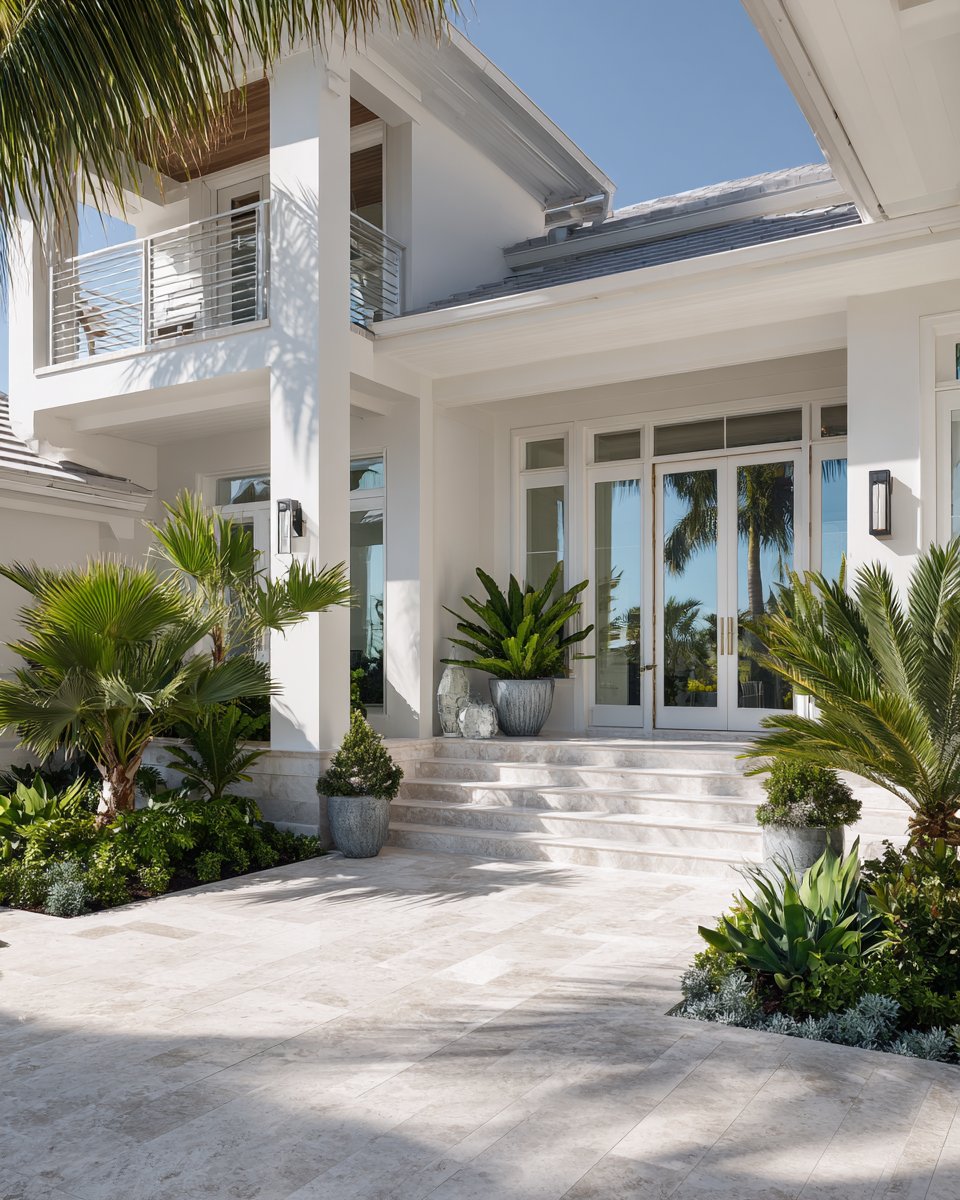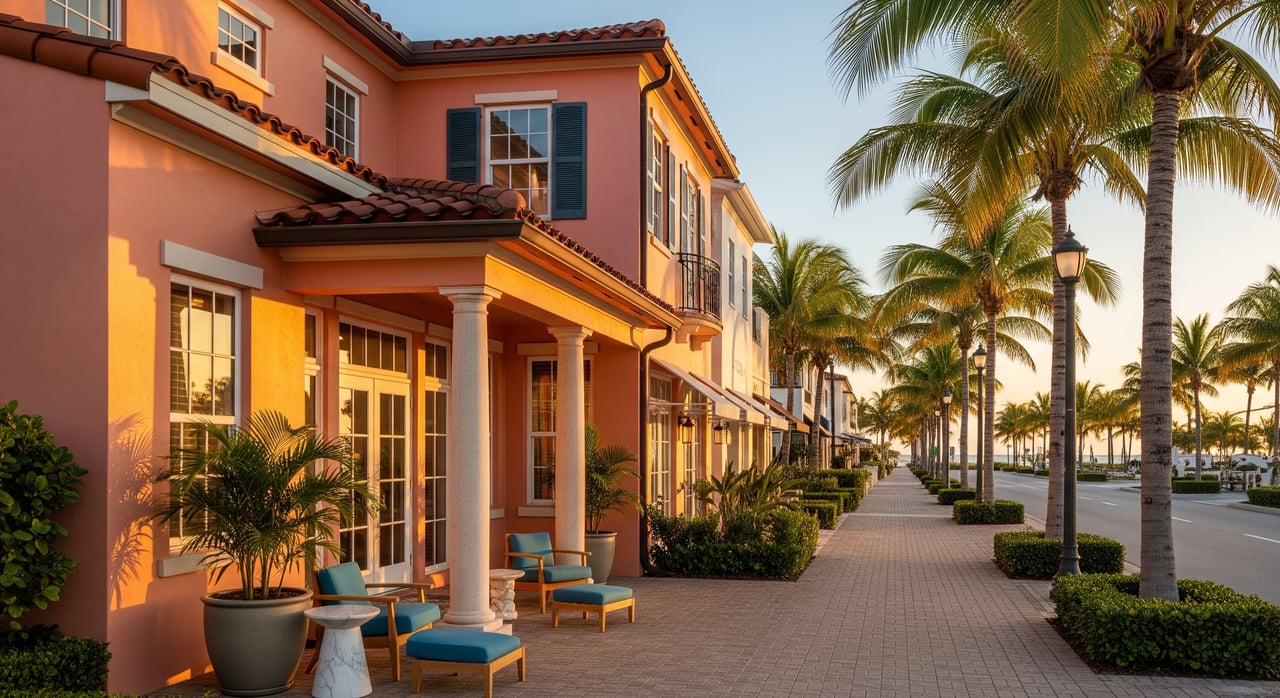
If you picture mornings on Atlantic Avenue and sunset walks to the beach, living near downtown Delray Beach might be your vibe. You want the energy of great restaurants and arts with the ease of a small, walkable core. In this guide, you will learn what daily life feels like along Atlantic Avenue, the types of homes nearby, who tends to thrive here, and the practical tradeoffs to weigh. Let’s dive in.
Why downtown Delray feels different
Downtown Delray centers on a lively, pedestrian-oriented main street that runs from the heart of town to the ocean. The scale feels intimate compared to larger South Florida cities, yet it is denser and more walkable than many suburban areas. You get a true “main street to the sea” experience, with shops, cafés, galleries, and nightlife steps apart. Pineapple Grove, just north of Atlantic, adds creative energy with galleries and local businesses.
Walkability and beach access
If walkability is a must, the blocks around Atlantic Avenue deliver. Sidewalks, frequent crosswalks, and outdoor seating make walking the default for errands and meetups. The beach sits at the east end of Atlantic Avenue, so you can stroll or take a quick drive to the sand. Public beach access, seasonal lifeguards, and municipal maintenance help keep the shoreline welcoming.
Dining and nightlife snapshot
Expect a wide range of dining, from casual seafood and cafés to sushi and farm-to-table spots. Many restaurants offer outdoor seating, so street life stays active throughout the day. Evenings bring bars and late-night dining that concentrate around Atlantic Avenue. A few blocks away, residential streets quiet down.
Arts and culture highlights
The creative scene is a huge part of the appeal. Old School Square, Arts Garage, and Pineapple Grove galleries anchor regular performances, exhibits, and neighborhood events. Annual festivals, like the well-known Delray Affair, add seasonal buzz. Many events are community-oriented and easy to enjoy on a weeknight or weekend.
Outdoor living and recreation
Beach days are the obvious perk, but you will also find small parks and pocket green spaces for a quick walk. Biking and walking are common for short trips, especially in the core. For longer errands, most residents still rely on a car. Hot, humid summers mean you will plan outdoor time earlier or later in the day.
Getting around and parking
You can live car-light near Atlantic Avenue, though a car helps for regional trips. Traffic increases at rush hours and during peak tourist season. Parking mixes on-street meters with municipal lots and garages, and demand spikes during evenings and events. If you are considering a specific home, verify on-site parking and guest options before you commit.
Safety and everyday rhythm
Like many lively downtowns, you may see more petty incidents in the commercial core than on nearby residential streets. Police and community resources focus attention on active business districts. A few blocks off Atlantic Avenue, things feel quieter and more residential. It is smart to check local crime maps and talk with neighbors for block-by-block insight.
Homes near Atlantic Avenue
You will find several property types within about a mile of the avenue:
- Beachfront and near-beach condos on the east side, often at higher price points.
- Mid-rise and low-rise condos or apartment buildings within easy walking distance.
- Older single-family homes, including some historic bungalows, on streets west and north of Atlantic.
- Renovations and boutique infill projects driven by steady demand.
Properties closer to the beach and Atlantic Avenue typically command a proximity premium. The rental market is active thanks to lifestyle appeal and convenience. If you are comparing options, look closely at HOA rules and building policies, especially for rentals.
Short-term rentals and HOA rules
Delray Beach has municipal ordinances that govern vacation and short-term rentals. Requirements can include licensing, occupancy limits, and safety standards. Many condo associations and some neighborhoods place their own restrictions. Always confirm city code and HOA documents before you assume a short-term rental strategy will work.
Who thrives here
- Young professionals and singles who want walkability and social life.
- Empty nesters and active retirees who value low-maintenance living near arts, dining, and the beach.
- Seasonal and second-home owners who prioritize a simple lock-and-leave condo close to the ocean.
- Lifestyle-oriented renters and buyers who prefer convenience over extra square footage.
Investors can find opportunity, but success depends on matching building policies and city rules with your rental goals. Long-term rentals can perform well when aligned with local demand and HOA guidelines.
Lifestyle tradeoffs to weigh
- Convenience vs. space. You gain easy access to restaurants, arts, and the beach, but may trade away larger yards and extra rooms.
- Energy vs. quiet. Proximity to nightlife means more activity and occasional noise. A few blocks away, it gets calmer.
- Seasonal swings. Peak season brings crowds and more events. Summer often feels quieter mid-week but hot and humid.
- Cost premium. The closer you are to Atlantic Avenue and the beach, the more you tend to pay.
Micro neighborhoods to explore
- Atlantic Avenue core. Best for constant activity and instant access to dining and the beach.
- Pineapple Grove Arts District. Gallery vibe and creative businesses with a mix of condos and smaller homes.
- Beachfront blocks. Oceanfront condos and resort-like living at higher price points.
- West and nearby residential pockets. Quieter streets with older single-family homes and a more laid-back feel.
How it compares nearby
- Boca Raton. Generally more suburban in feel with many gated communities and family-oriented amenities.
- West Palm Beach. A larger urban center with a bigger downtown footprint and more corporate scale.
- Fort Lauderdale and Lauderdale-by-the-Sea. Strong boating and marina culture with broader nightlife choices in select districts.
Delray stands out for its small-town charm, strong arts presence, and a true walk-to-the-beach main street.
Smart next steps
Use this checklist to get a real feel for daily life:
- Visit Atlantic Avenue at different times, including a weekend evening in peak season.
- Walk your likely commute and errand routes. Test biking if that is part of your plan.
- Verify parking, guest spaces, and delivery access at any property you are considering.
- Review city rules for short-term rentals and building policies for leasing.
- Read HOA documents and recent meeting minutes for maintenance and behavior policies.
- Compare price per square foot for downtown vs. nearby areas using recent sales.
- Speak with local businesses and neighbors to learn the block-level rhythm.
When you are ready to compare buildings or plan a move, a focused tour and a clear strategy will save time and stress. If you want help weighing lifestyle tradeoffs, rental options, or an investment approach tailored to your goals, connect with Julio Nunez for local guidance.
FAQs
Is downtown Delray Beach walkable for daily errands?
- Yes, the Atlantic Avenue core is highly walkable, with clustered dining, shops, and services that make short trips easy on foot.
How close is the beach to Atlantic Avenue in Delray Beach?
- Atlantic Avenue ends at the municipal beach, so you can walk or take a quick drive from the downtown core to reach the sand.
What types of homes are near downtown Delray Beach?
- You will find beachfront condos, mid- and low-rise condo buildings, apartments, and older single-family homes within about a mile of Atlantic Avenue.
Are short-term rentals allowed near downtown Delray Beach?
- Short-term rentals are regulated by city ordinances and often by HOA rules, so always verify licensing, restrictions, and building policies before moving forward.
How is parking for residents near Atlantic Avenue in Delray Beach?
- Parking includes on-street meters, municipal lots, and garages, with higher demand during evenings and events; check on-site and guest parking for any specific property.
What is living near Delray Beach nightlife like on weekends?
- Expect more evening activity, noise, and parking demand close to Atlantic Avenue, while residential streets a few blocks away are generally calmer.