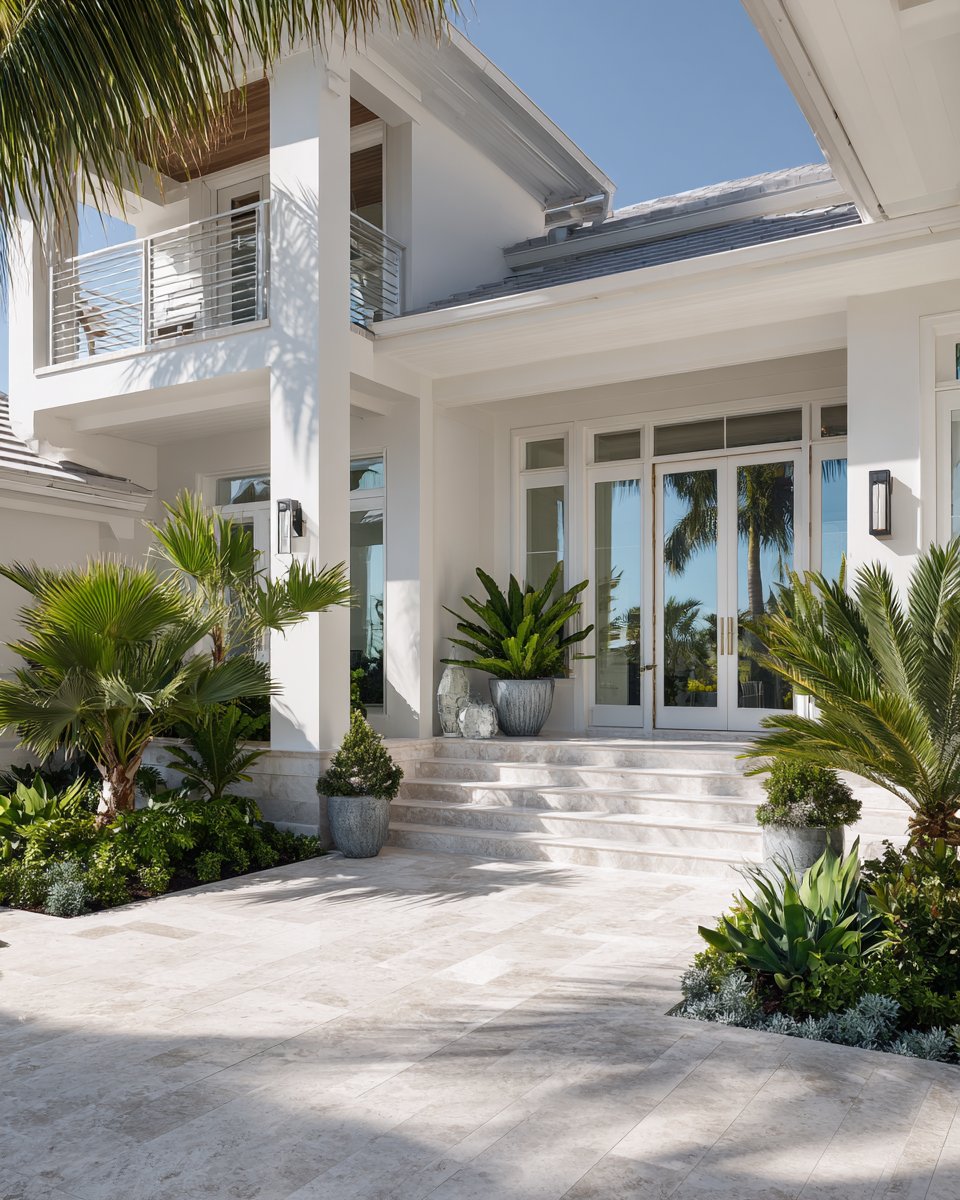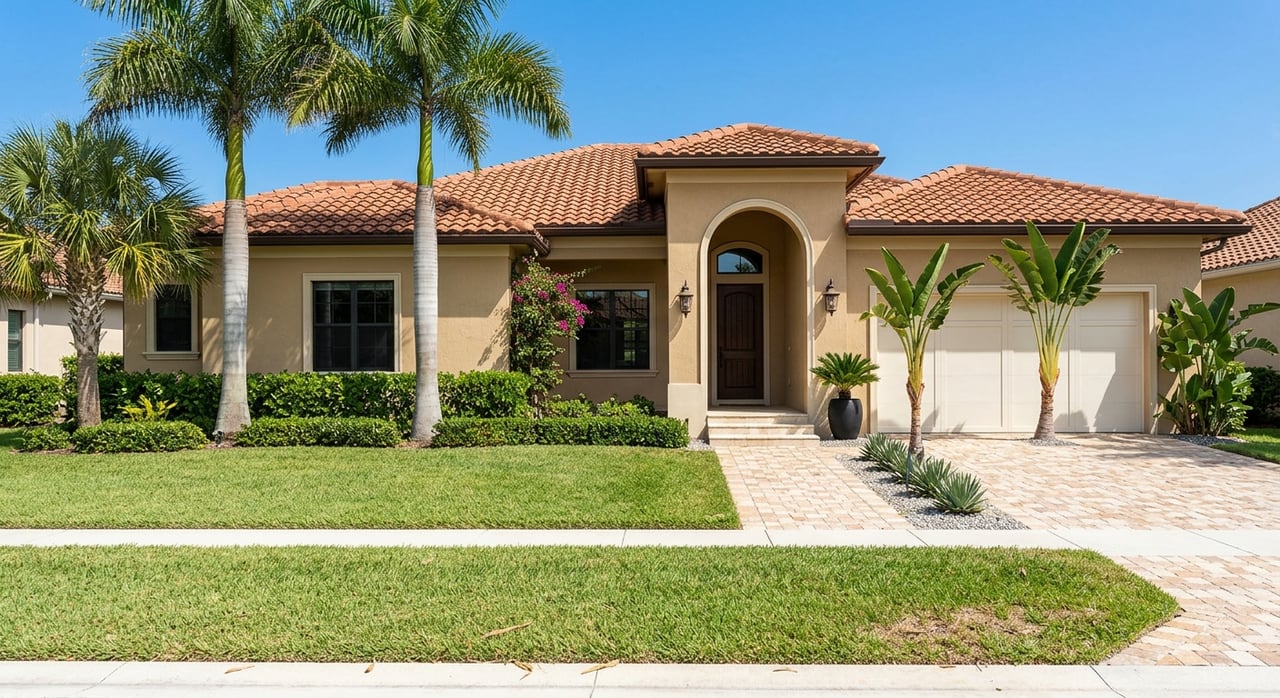
If you are choosing between Wellington and Palm Beach for a seasonal home, you are really choosing between two very different South Florida lifestyles. One centers on horses, land, and a busy winter show season. The other centers on the beach, island living, and a classic winter-resident rhythm. This guide will help you compare the two so you can match your purchase to how you actually want to live each season. Let’s dive in.
Wellington vs. Palm Beach at a Glance
Wellington and Palm Beach are both well-known seasonal destinations in Palm Beach County, but they offer different day-to-day experiences. Wellington is an inland village with a strong equestrian identity, while Palm Beach is a barrier-island town shaped by the ocean and a long history of winter residency.
The Village of Wellington describes itself as a premier South Florida community with abundant parks, attractive neighborhoods, and equestrian interests. It also identifies a 9,000-acre equestrian preserve that includes Wellington International, the National Polo Center, a bridle-trail network, and equestrian farms. The village says the equestrian season runs from November through April, with nearly 13,000 horses at peak season.
Palm Beach, by contrast, describes itself as a fully developed coastal community with beauty, quality of life, and small-town character. The town says about 9,000 people live there year-round, and about 20,000 more have seasonal homes there. It also reports more than 12 miles of beachfront within town limits and two public beaches.
Choose Wellington for Equestrian Access
If your seasonal routine revolves around horses, Wellington has the clearer advantage. The area is built around equestrian activity, and that identity shapes the community during the winter season.
Wellington International says it is home to the Winter Equestrian Festival, the Adequan Global Dressage Festival, and the Annual Series. According to the venue, the Winter Equestrian Festival runs for 13 weeks from January through March, and the Adequan Global Dressage Festival runs for 10 weeks during the same months.
That concentration of events can be a major benefit if you want easy access to show grounds, riding facilities, and equestrian-centered daily life. Wellington International also says the venue is about 20 minutes from Palm Beach International Airport, which can matter if you plan to come and go during the season.
Wellington housing tends to be land-oriented
Wellington’s housing profile also supports its horse-country identity. The village’s long-range financial plan lists single-family residential as its largest property type by both market value and taxable value, with multifamily residential second and equestrian or agriculture third.
That does not mean you will not find attached living options. It does suggest, though, that Wellington is generally more aligned with single-family homes, estate-style ownership, and equestrian properties than with a condo-heavy seasonal market.
For many seasonal buyers, that means more space and a different ownership feel. If you want room for equipment, privacy, or a property that better supports an equestrian lifestyle, Wellington may be the stronger fit.
Choose Palm Beach for Coastal Living
If your ideal season includes beach walks, ocean views, and an island setting, Palm Beach has the clearer edge. The town’s identity is closely tied to winter residency and coastal living.
Palm Beach’s Ocean Rescue unit covers the town’s two public beaches, Mid-Town Municipal Beach and Phipps Ocean Park, seven days a week, 365 days a year. For a seasonal owner, that supports a lifestyle centered on regular beach access rather than event-driven equestrian activity.
The town’s housing mix also points to a different type of ownership experience. In Palm Beach, condominiums and cooperatives represent 67.6% of parcels, while single-family residential parcels represent 24.3%. At the same time, single-family homes still account for 65.2% of the town’s taxable value, which shows that the market includes both a large condo or co-op segment and a high-value estate segment.
Palm Beach may feel lower maintenance for some buyers
For many seasonal owners, a condo or co-op can offer a simpler lock-and-leave setup than a larger inland property. That can be appealing if you want a winter base with less day-to-day property oversight.
Palm Beach is not only a condo market, but the parcel mix suggests that condo and co-op ownership play a much bigger role there than in Wellington. If your goal is a seasonal residence that feels more turnkey, Palm Beach may deserve a closer look.
Compare Lifestyle Before You Compare Price
Seasonal buyers often start by looking at inventory, but lifestyle fit should come first. The better question is how you want your weeks to look once you are here.
Choose Wellington if your season is likely to include horse events, equestrian facilities, larger properties, and an inland setting. Choose Palm Beach if you picture beach time, ocean air, island routines, and a classic winter-resident environment.
This is especially important if you plan to spend several months in the home each year. A property can look great on paper and still feel wrong if the surrounding rhythm does not match your habits.
Think about your daily routine
Ask yourself a few practical questions:
- Do you want to be near equestrian venues and horse properties?
- Do you prefer a beach-centered routine?
- Would you rather own a single-family home or consider a condo or co-op?
- Do you want a more land-intensive property or a more lock-and-leave setup?
- Will you want rental flexibility when you are away?
Those questions often narrow the choice quickly. They also help you focus on the right submarkets and property types from the start.
Rental Rules Matter for Seasonal Owners
If you plan to rent out your property while you are away, Wellington and Palm Beach differ in a major way. This may be one of the most important decision points for some buyers.
Wellington has a formal vacation-rental permit program. Since March 1, 2024, owners of short-term vacation rentals must obtain a Vacation Rental Special Use Permit for each unit, plus an annual Business Tax Receipt. The village lists a $600 permit fee per unit, and the program applies to transient rentals in single-family homes, condominiums, cooperatives, and apartments.
Palm Beach is much stricter. The town’s FAQ says all short-term rentals, including Airbnb, are strictly prohibited. The same FAQ says long-term rentals are allowed if only one property is being rented, and the town’s residential-use framework generally contemplates occupancy periods of not less than three months.
What this means for you
If rental flexibility is part of your ownership strategy, Wellington offers a regulated path that Palm Beach generally does not. That can make a meaningful difference for seasonal buyers who want the option to generate income during time away.
If you are considering Palm Beach, it is important to view the purchase primarily as a personal-use seasonal residence rather than a short-term rental opportunity. For investor-minded buyers, that distinction matters early in the search.
Due Diligence Looks Different in Each Market
Both locations require careful due diligence, but the focus is different. In Wellington, much of the decision may center on property type, land use, and rental rules. In Palm Beach, coastal conditions and building requirements often play a larger role.
Palm Beach says condominium or cooperative buildings that are three stories or more must undergo milestone inspections at age 30 and then every 10 years after that. If you are buying in a condo or co-op, this is an important part of your review process.
The town also says it is built on a barrier island that is constantly affected by wind, waves, and moving sand. Its coastal protection materials describe ongoing beach renourishment and dune-restoration work, which means shoreline conditions and coastal maintenance are part of long-term ownership.
Insurance and flood questions in Palm Beach
Palm Beach owners should also be prepared for flood and insurance conversations. The town says it is a Class 6 community in FEMA’s Community Rating System, which gives NFIP policyholders a 20% discount. The town also notes that standard homeowner’s insurance does not cover flood losses.
For a seasonal buyer, that means coastal ownership should include a careful review of flood exposure, insurance options, and building-specific conditions. These are not reasons to avoid Palm Beach, but they are reasons to go in with a clear plan.
Which Seasonal Home Fits You Best?
Wellington is usually the better fit if you want an equestrian-centered seasonal base, more single-family and estate-style ownership, and some regulated vacation-rental flexibility. It is especially compelling if your winter calendar revolves around horse events and easy access to equestrian facilities.
Palm Beach is usually the better fit if you want beach access, a condo or co-op heavy market, and a classic winter-season lifestyle. It can be a strong match if you value a low-maintenance island base and are comfortable with stricter rental rules and the realities of coastal ownership.
The right choice depends less on which place is more prestigious and more on how you want to spend your time. When your property matches your routine, your seasonal home tends to work better from day one.
If you are weighing Wellington against Palm Beach and want a clear, data-driven perspective on lifestyle, ownership costs, and resale potential, Julio Nunez can help you compare your options with a tailored South Florida strategy.
FAQs
Is Wellington better for horse access during the seasonal months?
- Yes. Wellington’s equestrian preserve, horse facilities, and winter competition calendar make it the stronger choice for buyers who want convenient access to horse-centered activities from November through April.
Is Palm Beach better for a condo or co-op seasonal home?
- In many cases, yes. Palm Beach has a much larger share of condominium and cooperative parcels, which makes it a more natural fit for buyers looking for an island-based, lower-maintenance seasonal property.
Can you rent out a seasonal home in Wellington?
- Yes, but it is regulated. Wellington requires a Vacation Rental Special Use Permit for each unit and an annual Business Tax Receipt for short-term vacation rentals.
Can you use a Palm Beach property as a short-term rental?
- No. The Town of Palm Beach says all short-term rentals are strictly prohibited, and its residential use framework generally contemplates occupancy periods of at least three months.
What due diligence matters most when buying in Palm Beach?
- Coastal and building-related review is especially important. Buyers should pay close attention to flood and insurance questions, shoreline conditions, and milestone inspection requirements for qualifying condo and co-op buildings.
What type of seasonal buyer usually prefers Wellington over Palm Beach?
- Buyers who want more land, a single-family or estate-style property, equestrian access, and more rental flexibility often find Wellington to be the better overall match.