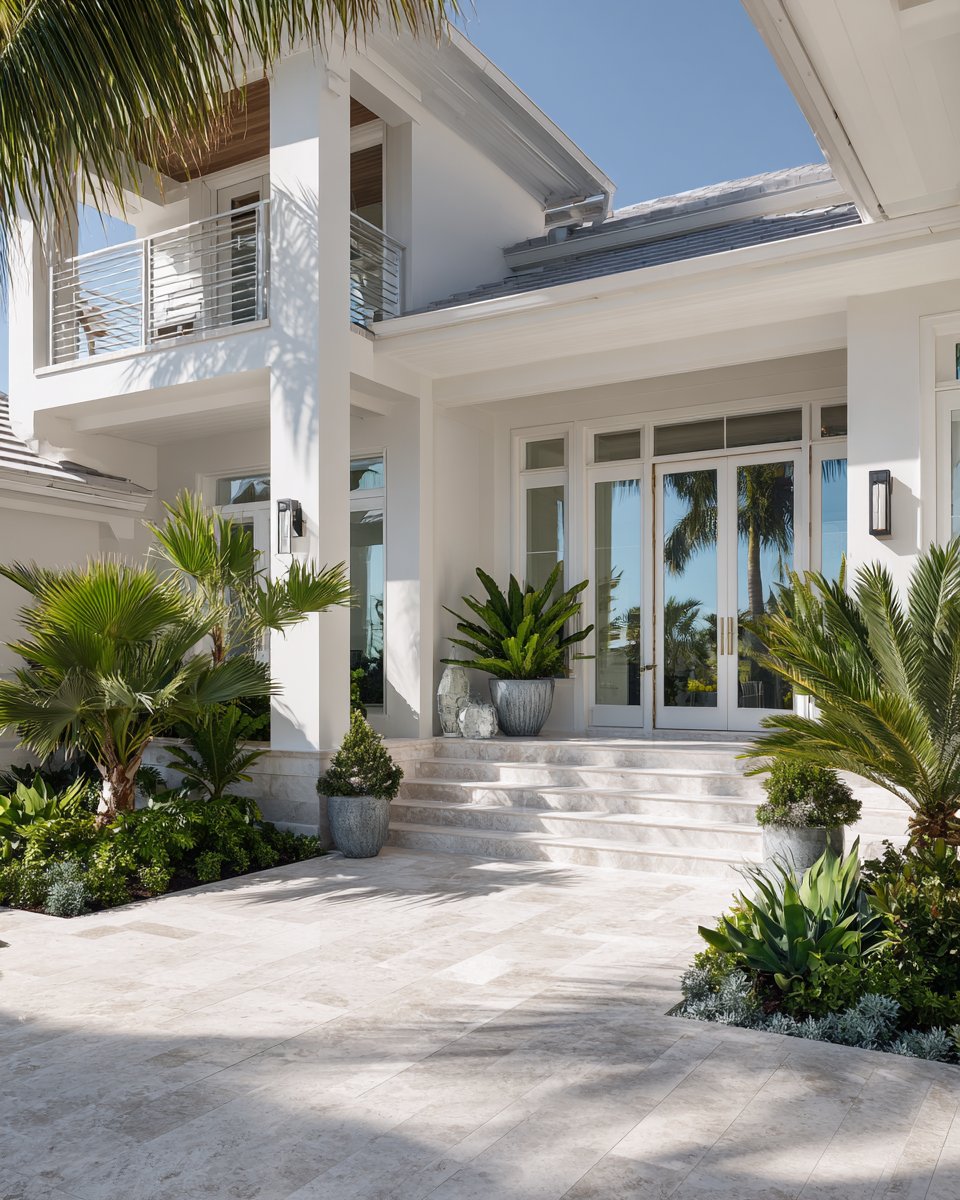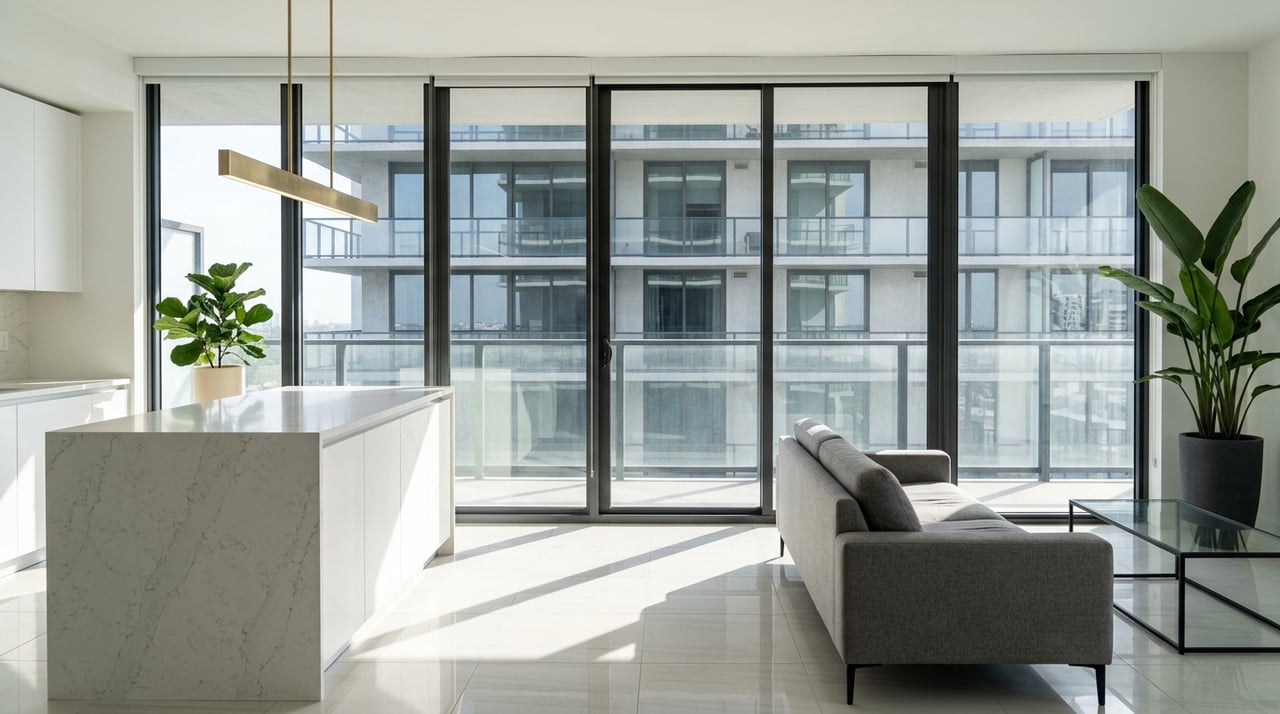
Thinking about a Palm Beach second home while still keeping one foot on the West Coast? You are not alone, and the biggest question is usually not just where to buy, but how easy that home will be to reach, manage, and enjoy from afar. If you want a coastal base that fits a bi-coastal lifestyle, Palm Beach deserves a close look. Let’s dive in.
Why Palm Beach Works for Bi-Coastal Buyers
For many second-home buyers, convenience is what turns a beautiful property into a practical one. Palm Beach stands out because it offers a strong mix of access, simplicity, and ownership structures that can work well for part-time residents.
Palm Beach International Airport is a major reason. The airport is about three miles from downtown West Palm Beach, and its current fact sheet reports 40-plus nonstop destinations, 13 domestic and international airlines, and more than 200 scheduled commercial flights arriving and departing daily. That includes major cities like Los Angeles, New York, Washington, Chicago, Houston, Toronto, Montreal, and the Bahamas.
If you split time between coasts, that kind of flight network matters. It can make your travel days more manageable and reduce the friction that often comes with owning far from your primary home.
Brightline adds another layer of flexibility. With stations in West Palm Beach and Boca Raton, plus service to Fort Lauderdale, Aventura, and Miami, regional travel becomes easier without relying on long cross-county drives.
Palm Beach Offers Operational Simplicity
A second home is not just a purchase. It is an ongoing system of travel, maintenance, bills, insurance, and building oversight. Palm Beach tends to appeal to buyers who care about how smoothly all of that can run.
Florida’s tax framework is part of the appeal. According to the Florida Department of Revenue, the state does not impose a personal income tax, and Florida estate tax was eliminated for people who died after December 31, 2004. For buyers who already own in another state, that can make the state-level tax picture more straightforward.
This does not mean every financial question becomes simple. It does mean Palm Beach can be attractive if you want a second-home base in a state with fewer moving parts at the personal state tax level.
Condo vs. Co-op in Palm Beach
One of the most important early decisions is the ownership format. In Palm Beach, many second-home buyers will compare condominiums and co-ops because both are common in shared-interest coastal properties.
How a Florida Condo Works
In a Florida condominium, taxes and special assessments are assessed against the individual parcel, not the condominium property as a whole. Each unit carries its own lien exposure under Florida law.
For many out-of-state buyers, that structure feels more familiar because it is deeded ownership. It can also be easier to understand from a financing and title perspective, especially if you are used to condo ownership in other markets.
How a Florida Co-op Works
A co-op works differently. Under Florida law, a co-op owner holds evidence of membership or shares in the association, an undivided interest in association assets, and the exclusive right to use the unit and assigned common areas.
In plain terms, a co-op can feel more board-driven than a condo. The governing documents shape your rights, your use of the unit, and often the approval process in a more direct way.
Which Ownership Type Fits a Second Home?
If you plan to be away for long stretches, the answer is not only about price or views. It is about governance, flexibility, and how comfortable you are with the building’s rules and financial structure.
A condo may feel more straightforward if you want deeded ownership. A co-op may still be a strong fit, but you will want to review the documents carefully and understand how the board operates before moving forward.
Condo and Co-op Due Diligence Matters More Now
For bi-coastal buyers, building review is one of the most important parts of the process. In Florida, both condos and co-ops in buildings that are three habitable stories or higher are subject to milestone inspection requirements and reserve-study rules.
For affected residential condominium associations, Florida law requires milestone inspections every 10 years and a structural integrity reserve study, or SIRS, at least every 10 years. The reserve study covers major items such as the roof, structure, fire protection, plumbing, electrical, waterproofing and exterior painting, windows and exterior doors, and other qualifying high-cost components.
Florida law also requires buyers of affected condos to receive the current milestone summary and the most recent SIRS in the contract package when applicable. That makes these documents essential, not optional, during your review period.
Co-ops face similar safety questions. Even though the ownership form is different, buildings that meet the statutory threshold still need the same level of attention when it comes to inspections, reserves, and long-term maintenance planning.
Documents to Request Before You Offer
Before you commit to a Palm Beach second home in a shared building, ask to review:
- The declaration or proprietary lease
- Current budget information
- Reserve information
- Rental and leasing rules
- Any history of special assessments
- Milestone inspection summaries, if applicable
- The most recent reserve study, if applicable
For a part-time owner, these documents can tell you a lot about future costs and day-to-day ease of ownership.
What It Costs to Own From Afar
The recurring costs of a Palm Beach second home usually fall into a few main categories. You should expect to plan for property taxes, association dues, insurance, and storm-related risk management.
Palm Beach County Property Taxes
Palm Beach County states that tax bills are mailed on November 1. Property taxes are payable from November 1 through March 31, and early-payment discounts are 4% in November, 3% in December, 2% in January, and 1% in February.
That timing matters if you live elsewhere for part of the year. The county also notes that bills are mailed to the address on file with the Property Appraiser’s Office, so keeping your mailing information current is essential.
Second Homes and Homestead Exemption
Many buyers ask whether a second home receives the same tax treatment as a primary residence. In Palm Beach County, the homestead exemption applies to a property that is the owner’s permanent primary residence.
That means you should generally expect a non-homestead tax picture for a second home unless the property later becomes your true primary residence. This is an important part of realistic budgeting from day one.
Insurance and Storm Planning in Palm Beach
Insurance deserves special attention in coastal South Florida. For second-home owners, the details can have a major impact on annual carrying costs and your comfort level when the property is vacant.
Flood Insurance Is Separate
Flood coverage should not be treated as a small add-on. The National Flood Insurance Program states that most homeowners and renters insurance does not cover flood damage, and flood policies for building and contents coverage are typically purchased separately and may have separate deductibles.
If you are considering a coastal or near-coastal property, flood insurance should be part of your core budget planning. It is not something to figure out after you are under contract.
Hurricane Deductibles Can Be Significant
Florida’s Chief Financial Officer explains that hurricane deductibles are commonly percentage-based. That means your out-of-pocket exposure may be tied to the insured value in a way that feels very different from a flat deductible.
You should ask how the deductible is calculated on the actual dwelling value. If you ever switch insurers after the first hurricane of the policy term, ask how deductible credit would work if another storm claim happens later.
Mitigation Costs Are Often Private Costs
Some buyers assume there may be state support for storm-hardening upgrades. The current My Safe Florida Home FAQ says the program is for owner-occupied, homesteaded properties and excludes second homes, vacation homes, condos, co-ops, and rentals from the free inspection program.
For many second-home buyers, that means wind-mitigation improvements should be treated as a private expense. It is better to know that upfront than to build your budget around a program your property may not qualify for.
Know the Flood Zone and Evacuation Category
Palm Beach County’s emergency guidance recommends checking flood zones, storm-surge maps, and elevation certificates. The county identifies zones A and V as higher-risk areas and provides tools for flood-zone determination and evacuation review.
If you will not be in town full time, this becomes even more important. You should know the flood zone, understand the evacuation category, and have a local contact who can respond if a storm or building issue comes up while you are away.
How Palm Beach Compares to Other Coastal Luxury Markets
Palm Beach often wins bi-coastal buyers over on ease rather than scale. It may not be the right fit if your top priority is ultra-dense urban inventory or a larger rental ecosystem, but it can be a strong fit if you value smooth logistics.
The local appeal is practical. You have a compact but well-connected airport, regional rail access through Brightline, and a state tax structure that many cross-state owners find appealing.
The better comparison lens is often not glamour, but friction. How quickly can you get from the airport to the property? How clear are the building finances? How exposed is the home to flood and hurricane costs? How easy is it to manage when you are back in California or another primary market?
Those are the questions that shape second-home satisfaction over time.
A Smart Palm Beach Buying Checklist
If you are serious about buying a Palm Beach second home, focus on the practical questions early:
- Is the property a condo or co-op?
- What are the board, ownership, and leasing rules?
- Have milestone inspections and reserve studies been completed, if required?
- What are the monthly dues and reserve assumptions?
- Are there recent or pending special assessments?
- How will the property be taxed without homestead exemption?
- Where will the county send the tax bill?
- What flood zone and evacuation category apply?
- What insurance coverage is required, including flood and hurricane deductibles?
- Who will handle storm prep, access, maintenance, and vendor coordination while you are out of state?
For a bi-coastal buyer, these questions are not secondary. They are central to whether the home will feel effortless or complicated.
Palm Beach can be an excellent second-home market when you approach it with the right lens. If your goal is a coastal base that is easy to reach, relatively easy to lock and leave, and manageable from another state, the strongest opportunities are usually the ones where logistics, building governance, and risk planning all line up.
If you want a high-touch, bi-coastal perspective as you compare Palm Beach options, connect with Julio Nunez for a personalized consultation.
FAQs
What makes Palm Beach appealing for bi-coastal second-home buyers?
- Palm Beach offers strong airport access, Brightline regional connections, no Florida personal income tax, and many shared-interest ownership options that can suit part-time residents.
What should buyers know about Palm Beach condos before purchasing a second home?
- Buyers should review the budget, reserves, special-assessment history, rental rules, and any required milestone inspection and reserve-study documents before making an offer.
How is a Palm Beach co-op different from a condo for second-home ownership?
- A co-op gives you shares or membership rights plus exclusive unit use, while a condo is deeded ownership of an individual parcel, which many out-of-state buyers find more familiar.
Do Palm Beach second homes qualify for homestead exemption?
- In general, no. Palm Beach County says the homestead exemption applies to a permanent primary residence, so second homes should typically be budgeted as non-homestead properties.
What insurance issues matter most for Palm Beach second-home buyers?
- Flood insurance, hurricane deductibles, and storm-related risk exposure are key issues because flood coverage is usually separate from standard homeowners insurance and hurricane deductibles are often percentage-based.
Why is flood-zone review important for Palm Beach second homes?
- Palm Beach County advises owners to check flood zones, storm-surge maps, elevation certificates, and evacuation categories, which is especially important if you will be away for part of the year.