If you think Wellington is only a place to watch horse shows, think again. This village has built an entire way of life around equestrian culture, from competition venues and bridle trails to residential patterns and everyday routines. If you are considering a move, a seasonal home, or simply want to understand what makes this community so distinct, this guide will walk you through the lifestyle, housing options, and year-round appeal that shape Wellington. Let’s dive in.
Why Wellington stands out
Wellington is not just horse-friendly. It is an internationally recognized equestrian hub with a built environment that reflects that identity. According to the Village of Wellington’s equestrian community overview, the village includes more than 57 miles of trails, while the Equestrian Preserve Area features over 100 miles of public bridle trails.
That infrastructure supports a large and active horse community. The village reports more than 580 farms serving polo, dressage, hunter/jumper, and recreational riders, with peak-season horse counts approaching 13,000. It also notes that the broader equestrian season typically runs from November through April, which helps explain why the village feels especially energized during the winter months.
How equestrian culture shaped Wellington
Wellington’s horse identity did not appear overnight. The village says polo arrived in Wellington in 1977, and within a decade the area had grown into an international equestrian destination. Over time, Wellington became home to the Winter Equestrian Festival and Olympic jumping qualifying trials, as outlined on the village’s history of the equestrian community.
That history still matters today because it shaped land use, planning, and community design. The village has adopted an Equestrian Overlay Zoning District to help preserve the equestrian area, reinforcing that horses are part of Wellington’s long-term identity and not simply a seasonal attraction.
What daily life feels like
One of the most unique parts of Wellington is how equestrian living shows up in daily routines. In official village planning materials, residents in the equestrian area are described as using bridle paths, training at equestrian facilities, and traveling to events by walking, riding, or golf cart. That creates a rhythm that feels very different from a typical South Florida suburb.
For you, that can mean more than proximity to events. It can mean living in a place where the streetscape, open land, and neighborhood circulation are designed to support barn life and horse activity. In Wellington, the equestrian lifestyle is woven into how people move through the community.
Major venues drive the season
Wellington International
For many people, Wellington International is the center of the action. The venue says its 111-acre property includes 14 competition arenas and more than 500 permanent equine stalls. It is also home to the Winter Equestrian Festival, the Adequan Global Dressage Festival, and the Annual Series, drawing participants from all 50 states and more than 34 countries, according to Wellington International.
The venue is not only for riders and trainers. With on-site hospitality, dining, luxury shopping retailers, and event spaces, it also works as a social and lifestyle destination for residents and visitors.
Winter Equestrian Festival
The Winter Equestrian Festival is one of Wellington’s biggest seasonal anchors. Wellington International says WEF runs for 13 weeks from January through March and is the world’s largest and longest-running hunter/jumper horse show.
That event calendar gives the village a distinctive winter energy. Saturday Night Lights programming adds grand prix competition, food, live music, and family entertainment, which makes the equestrian scene accessible even if you are more interested in the atmosphere than the sport itself.
Polo and dressage season
Wellington’s identity goes well beyond hunter/jumper competition. The National Polo Center describes itself as the official home of polo in the United States, with the Gauntlet of Polo running from February through April during the winter season.
Spectator options also shape the social side of polo. Official ticketing materials describe VIP box seats, field-side tailgates, general admission stadium seating, and brunch service, creating a club-like atmosphere that has long been part of Wellington’s seasonal appeal.
Dressage is another major part of the local scene. Wellington International says its dressage festival runs for 10 weeks at Equestrian Village, adding another layer to the winter calendar and broadening the appeal for riders, owners, and spectators alike.
Is Wellington seasonal or year-round?
The short answer is both. Wellington’s official materials point to a broader equestrian season from November through April, while WEF runs from January through March. At the same time, village materials note that competition at Equestrian Village continues from May through October, which supports year-round activity rather than a total offseason.
That matters if you are weighing a seasonal purchase versus a primary residence. Wellington clearly has a winter peak, but it also functions as a full-time community with permanent residents, local services, and ongoing programming beyond the busiest show months.
Homes that fit the lifestyle
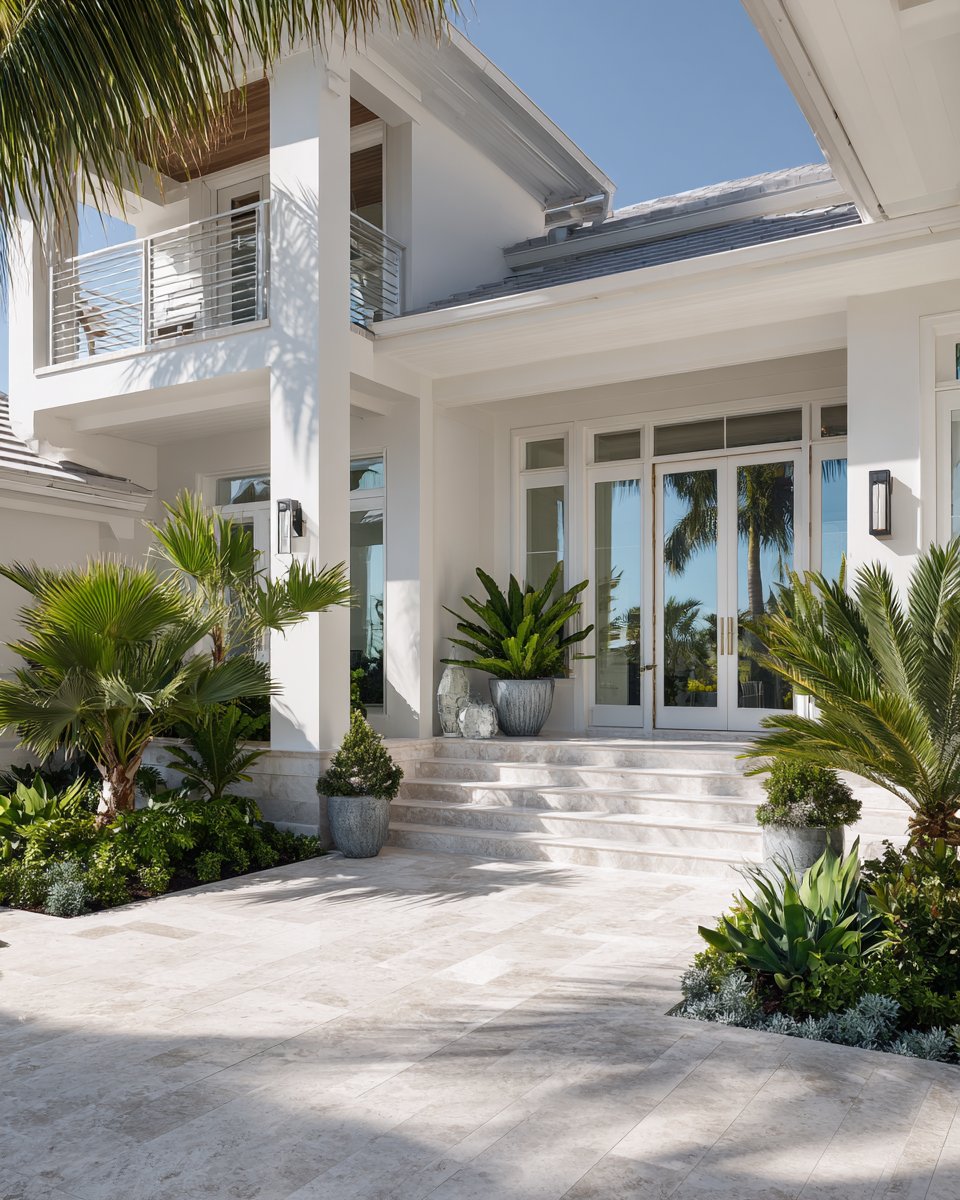
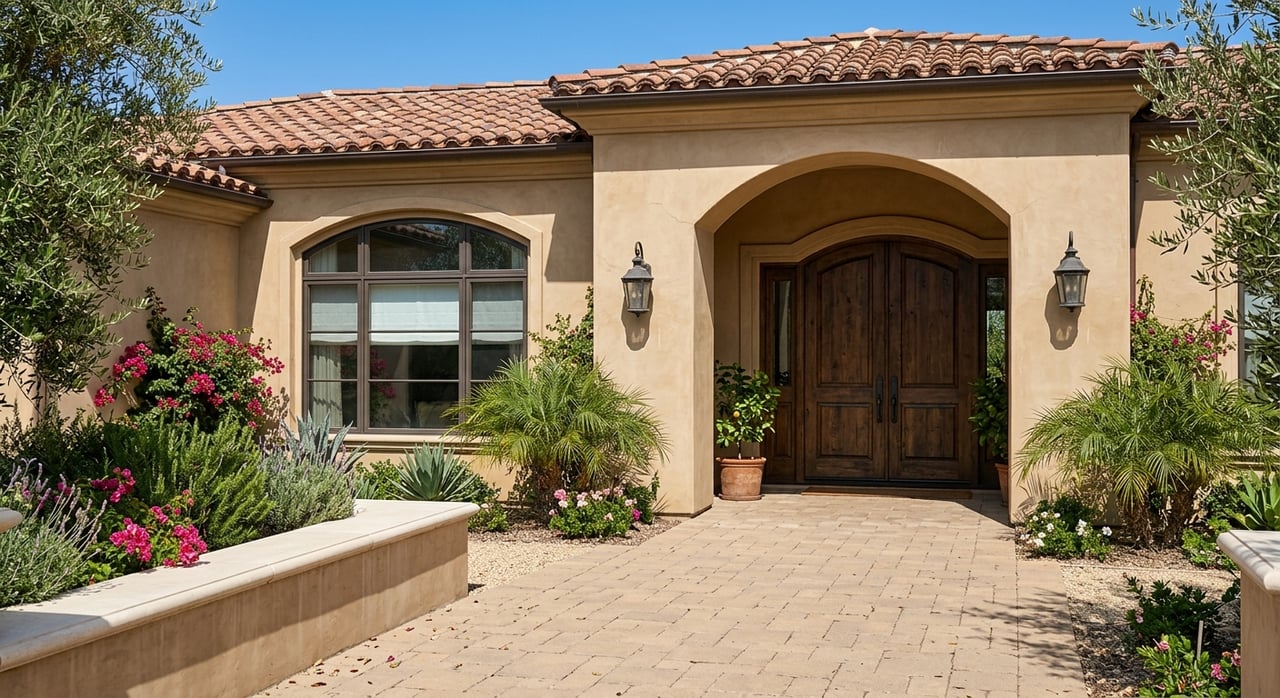
Wellington offers a wider range of housing than many first-time buyers expect. According to village information, horse farms range from 1 acre to 200 acres, with 2-acre and 5-acre properties among the most common sizes. That creates options for everyone from serious equestrian buyers to those who simply want more space and proximity to the horse community.
In planning documents, the village also references single-family homes in farm-like settings, residential enclaves with wooded and water views, and proposed low-rise condominium residences. Some materials even describe golf cart-in and golf cart-out residential opportunities, which reflects how closely housing design can tie into the local lifestyle.
Three common property types
If you are exploring Wellington, most lifestyle-oriented options tend to fall into three broad categories:
- Equestrian farms and estates with acreage, barns, and direct horse-focused functionality
- Preserve-adjacent or equestrian-area homes that offer close access to trails, venues, and the broader horse community
- Luxury residential neighborhoods and planned communities that may not be working farms but still provide easy access to Wellington’s equestrian core
This range is part of what makes the village appealing. You do not need to own horses to appreciate living near the amenities, land patterns, and event culture that define the area.
Neighborhood context matters
Official village planning materials identify communities such as Mallet Hill and Equestrian Club Estates as part of the residential fabric around the showgrounds and bridle path network. That is useful because it highlights an important distinction in Wellington real estate. Some homes are deeply tied to farm and horse use, while others offer a more conventional luxury residential experience close to the same amenities.
For you as a buyer, that means your ideal location depends on how directly you want to engage with the equestrian lifestyle. Some people want a true farm property. Others prefer a home base that keeps them near the action without making horses part of daily property management.
Why non-riders still choose Wellington
Wellington’s appeal is broader than the barns. The Mall at Wellington Green describes itself as the village’s premier year-round shopping destination, with more than 150 specialty shops, restaurants, a food court, and movie theaters.
The village also supports community life in ways that matter to full-time residents. Its annual Taste of Wellington event highlights the local restaurant scene, and the Community Center offers programs for youth, adults, and seniors. Combined with dining and shopping options at Wellington International, those features help make the area feel well-rounded and livable.
Schools and services also contribute to that year-round appeal. Wellington’s 2024 Popular Annual Financial Report states that the Palm Beach County School District operates six elementary schools, three middle schools, and two high schools within the village, serving more than 14,600 youth. The same report notes a growing medical hub anchored by Wellington Regional Medical Center, adding another practical reason many households consider Wellington for full-time living.
What buyers should keep in mind
If you are considering Wellington, the right strategy starts with your lifestyle goals. A seasonal buyer focused on winter events may prioritize access to major venues and low-maintenance living. A full-time buyer may care more about broader community amenities, everyday convenience, and a property type that fits long-term plans.
It also helps to think in terms of use, not just price point. Do you want a working equestrian property, a home near the preserve, or a luxury residence that keeps you close to Wellington’s event calendar and shopping, dining, and services? The answer can quickly narrow which areas and property formats make the most sense.
The bottom line on Wellington living
Wellington offers something rare in South Florida: a community where sport, land use, and lifestyle all reinforce each other. Its trails, farms, venues, and residential options create a setting that works for dedicated equestrians, seasonal visitors, and full-time residents who simply want access to a distinctive and active local culture.
If you are exploring Wellington or other Palm Beach County opportunities, working with an advisor who understands lifestyle-driven real estate can make the search more focused and less overwhelming. Connect with Julio Nunez for a personalized conversation about your goals and the South Florida communities that best match them.
FAQs
What makes Wellington, Florida an equestrian destination?
- Wellington is recognized by the village as an international equestrian hub with extensive trails, an equestrian preserve, hundreds of farms, and major events in polo, dressage, and hunter/jumper competition.
Is Wellington, Florida only busy during horse show season?
- No. While the peak equestrian season generally runs from November through April, official sources show that competition and community activity continue beyond winter, supporting Wellington as a year-round residential market.
What types of homes support the Wellington equestrian lifestyle?
- Buyers can find horse farms and estates, preserve-adjacent homes, and luxury residential neighborhoods or planned communities that offer varying levels of access to Wellington’s equestrian core.
Can non-riders enjoy living in Wellington, Florida?
- Yes. Official sources highlight year-round shopping, dining, entertainment, community programs, schools, and medical services that make Wellington appealing beyond the horse world.
How large are horse properties in Wellington, Florida?
- Village information states that horse farms in Wellington range from 1 acre to 200 acres, with 2-acre and 5-acre properties among the most common sizes.